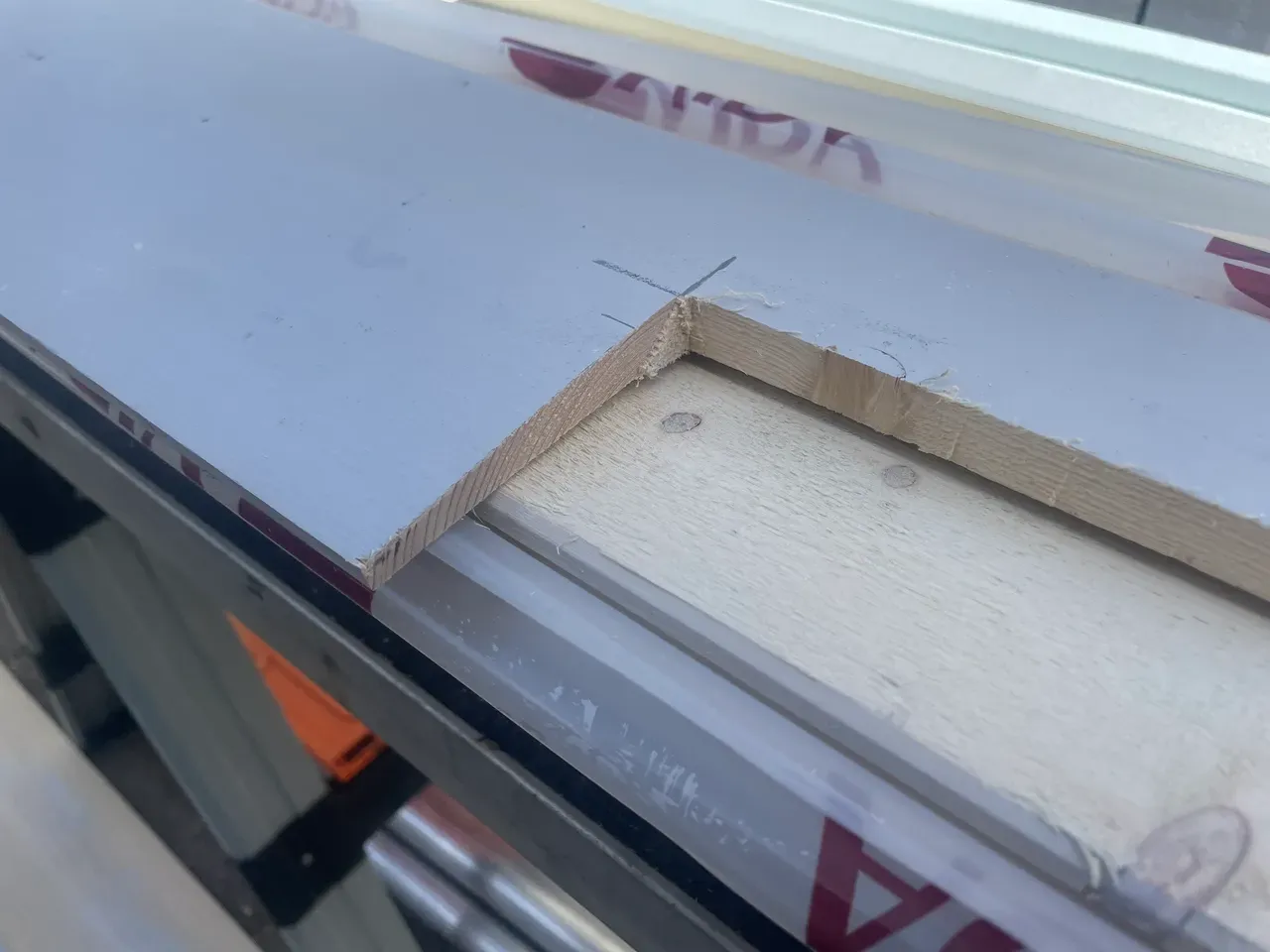

Identifying Window Leaks in Weatherboard Homes
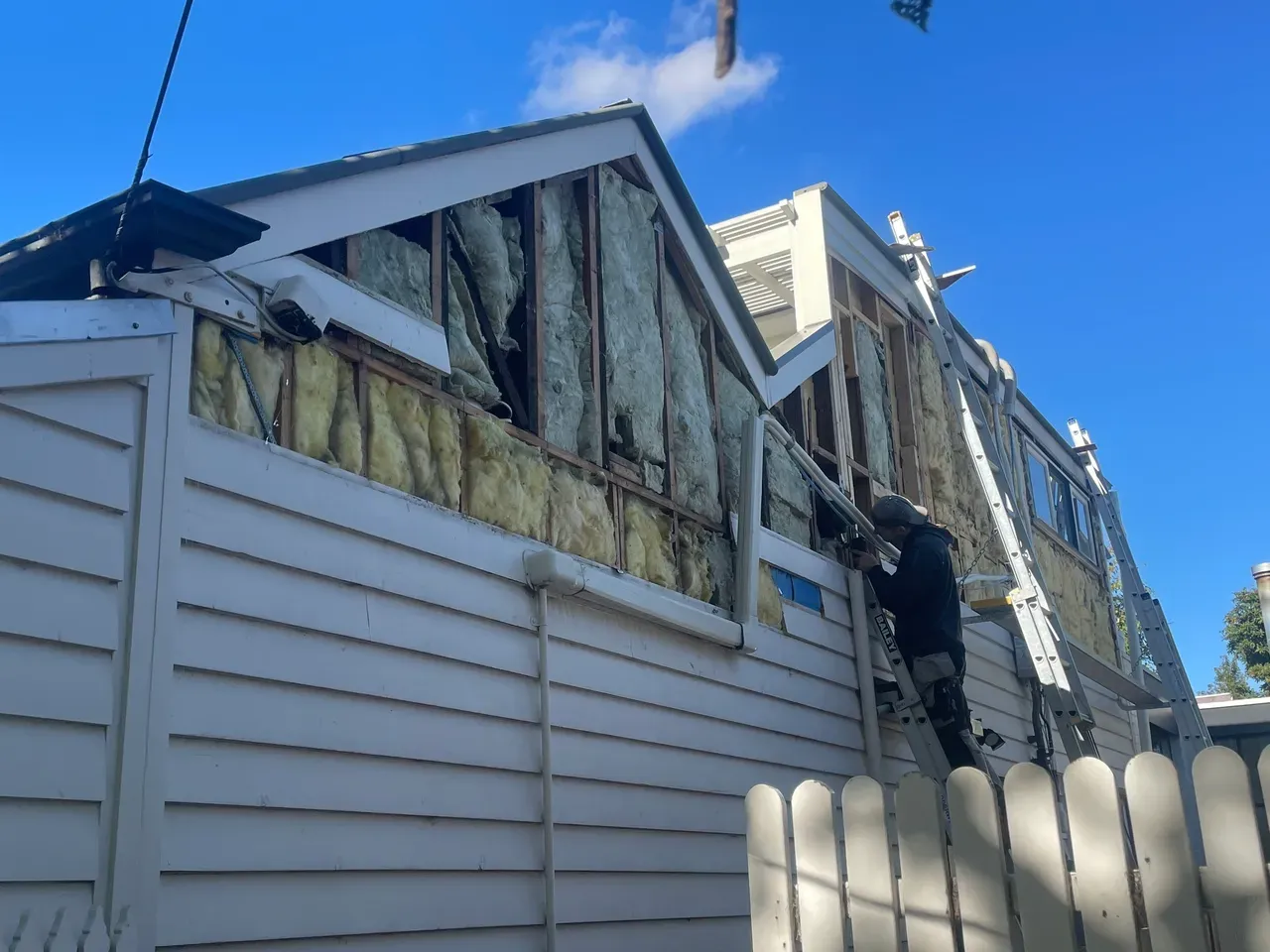
In older Melbourne homes, windows are one of the most common places for water to get in. At best, many were installed with only a simple head flashing across the top. The sides and base were left unprotected.
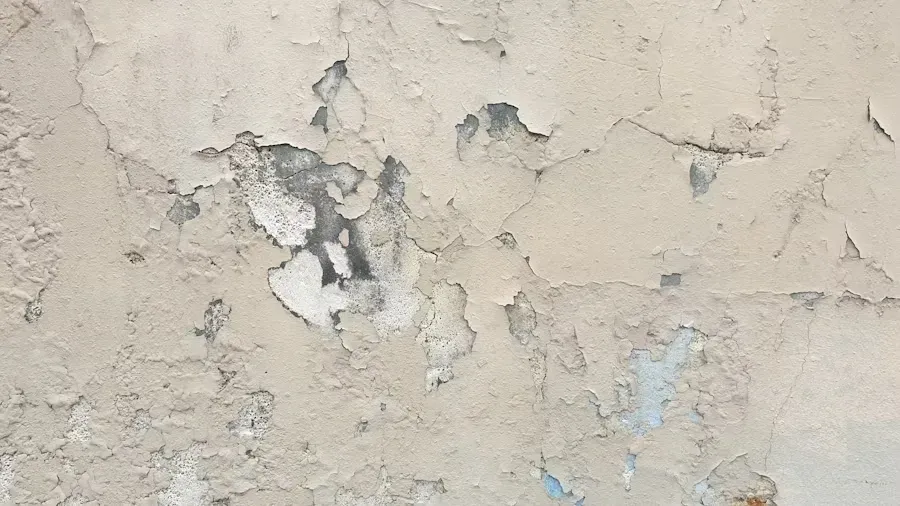
The problem is that wind-driven rain does not just fall straight down. It hits the sides of a window, and where there is no flashing, it works its way in. Over time that trapped moisture causes rot in the framing, mould growth, and damage hidden behind the cladding where you cannot see it until it is serious.
The fix is a proper three-part moisture management system: an airtight tape seal around the frame, a mechanical folded head flashing to redirect water, and a flexible caulk seal between cladding and window. Each layer backs up the others.
If your windows rattle, stick, fog up between the panes, or show damp nearby, the flashing is worth checking. It is the difference between a patch job that fails and work that lasts for decades.
Thinking about your own home?
Leon and the team offer free, honest inspections across Melbourne. No pressure, just clear advice.
Book a free quote →